Scenario props
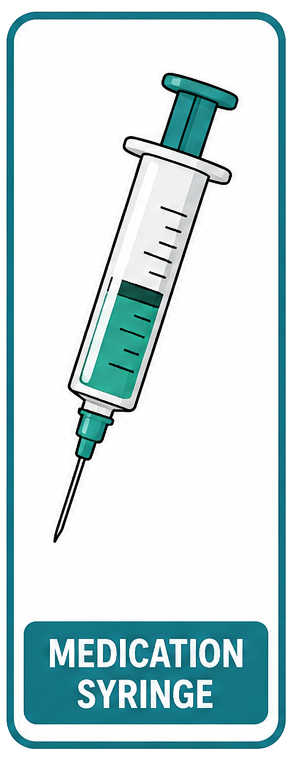
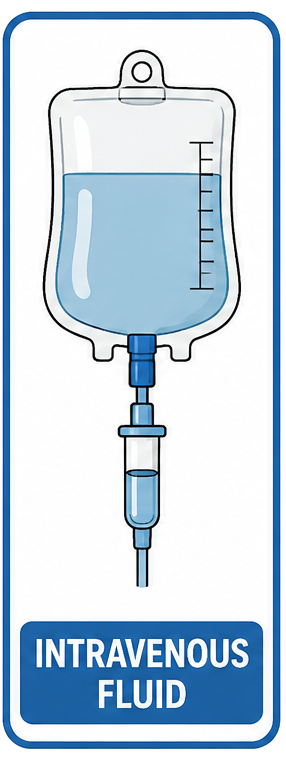
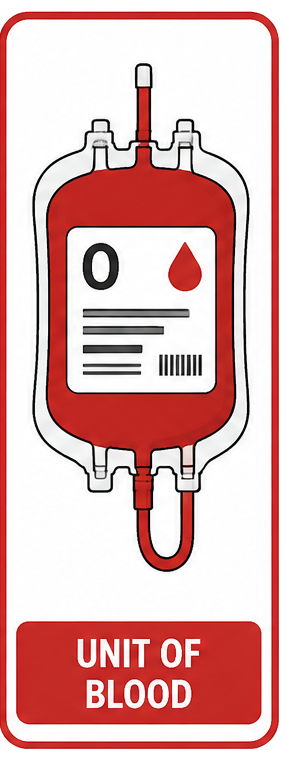
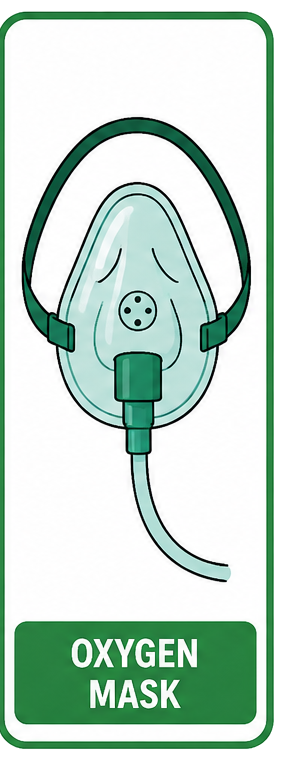
Build note. A modular set of laminated cards is the SimSimple core: a patient card (draw wounds, rashes or a distended abdomen on it with a marker), medication syringes, intravenous fluid bags, blood products, a monitor card for vitals, and blank intervention cards the team writes on as they act. Lay them out on any surface. Begin with a short familiarisation: let everyone handle the cards and draw on them, so the modality is not a surprise once the case starts. Then run the case, narrating and updating the cards as the team makes decisions. You can use the ready-made set that ships with the toolkit (below); a commercial SimSimple set is also available.
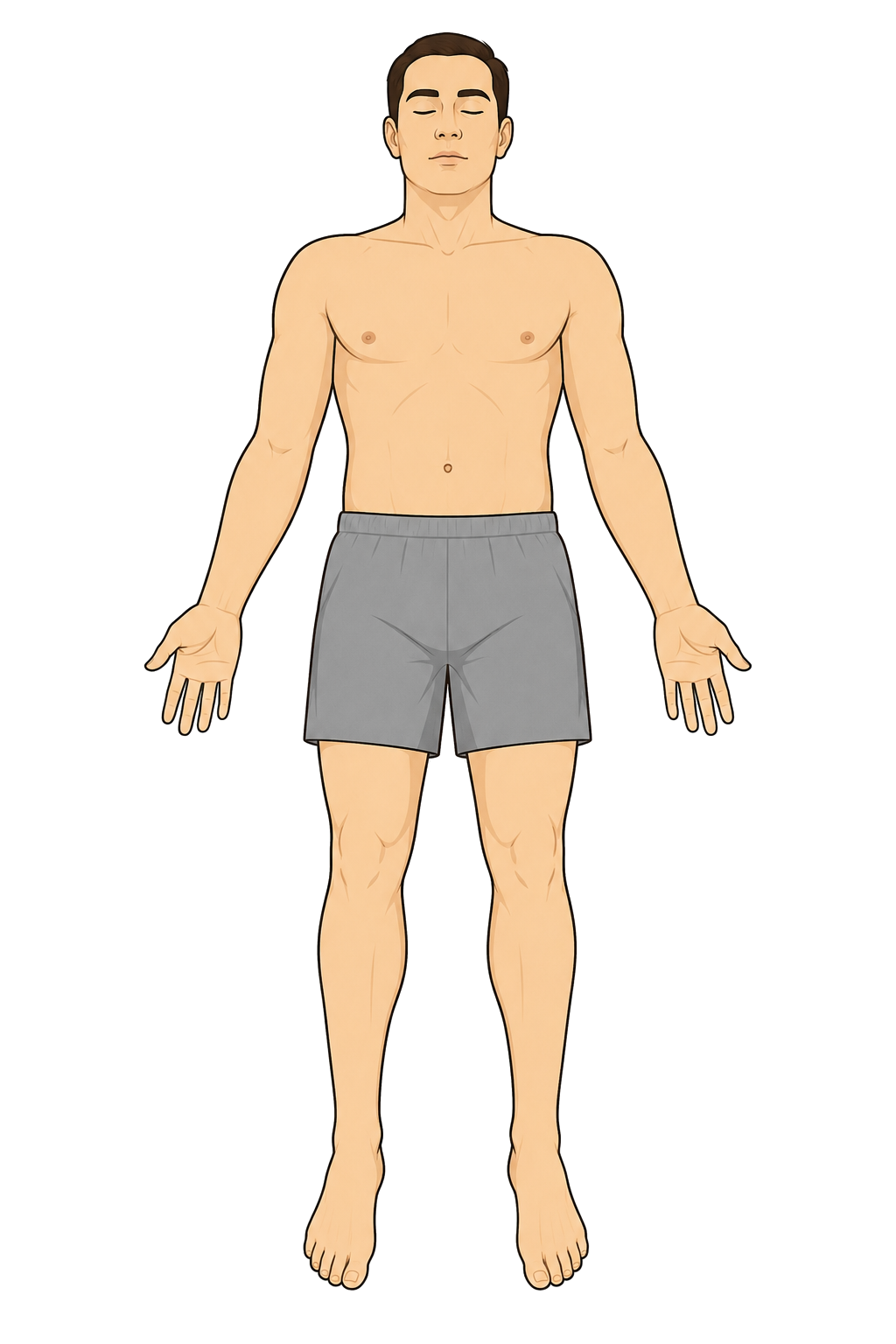
This one ships with the toolkit. Print it, laminate it, and draw the wounds, rashes or distension for your case on it with a dry-wipe marker. Wipe it clean and it is ready for the next scenario.
Build note. A briefed volunteer beats a manikin for a smoke-test, because a volunteer speaks, moves and gets in the way exactly where your space and workflow will fail. Use a manikin only where the case needs a procedure that cannot be mimed (chest compressions, a surgical airway, an intraosseous). Give the actor a one-page role card with their story, hidden symptoms and how to respond to what the team does.
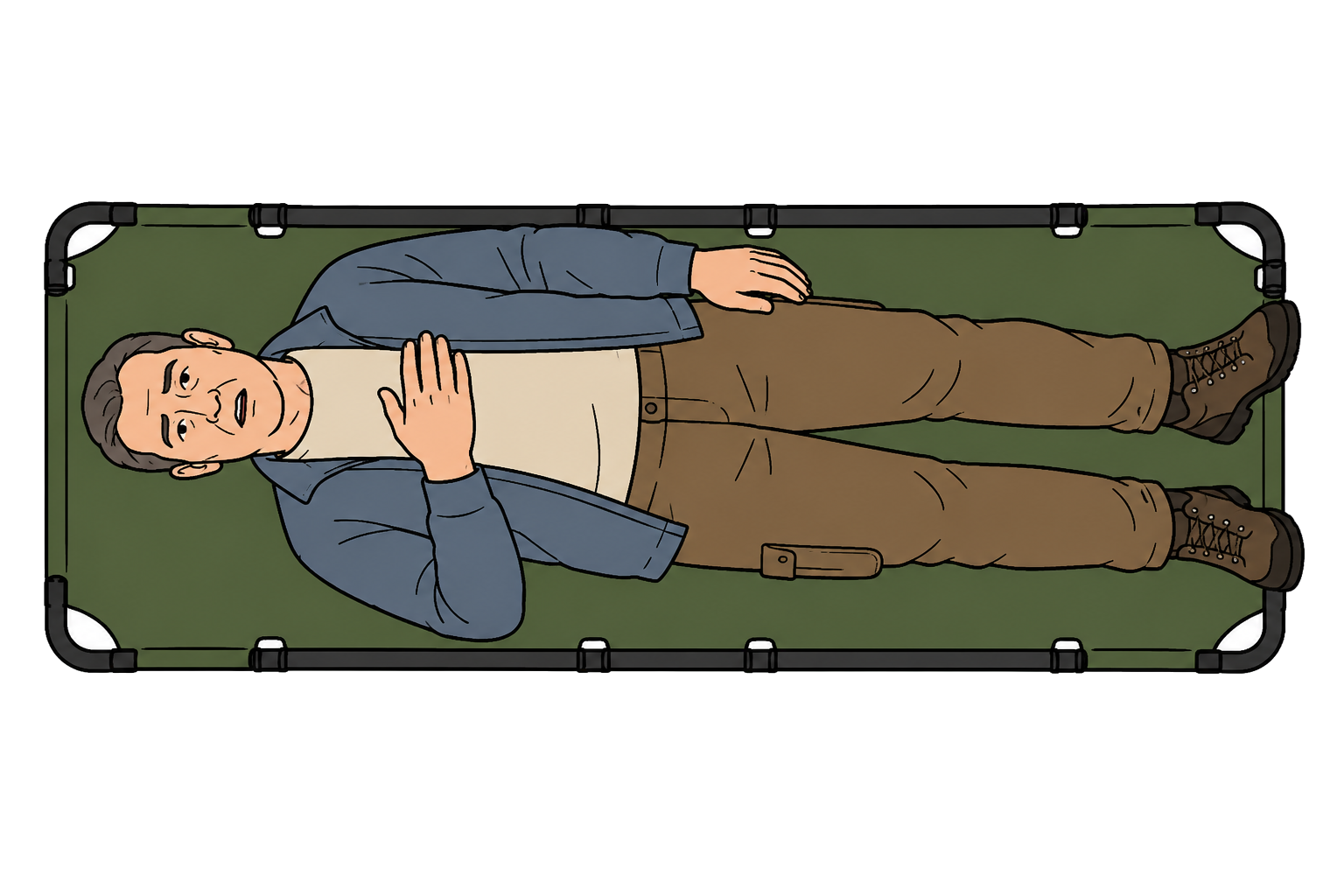
This card ships with the toolkit: an older patient on a litter with a hand to the chest, ready for the chest-discomfort scenario used in the polar-cruise sample entry. Prop it at the head of the cot, or hand it to the actor as their brief.
Build note. Stage blood (or watered red food colour + a little washing-up liquid) on gauze and skin; a rolled red cloth held under a trouser leg reads as a bleeding wound. A wound can be drawn with a skin marker. A soaked dressing that keeps “bleeding through” forces the team to escalate. Keep a wipe-clean groundsheet under the actor.
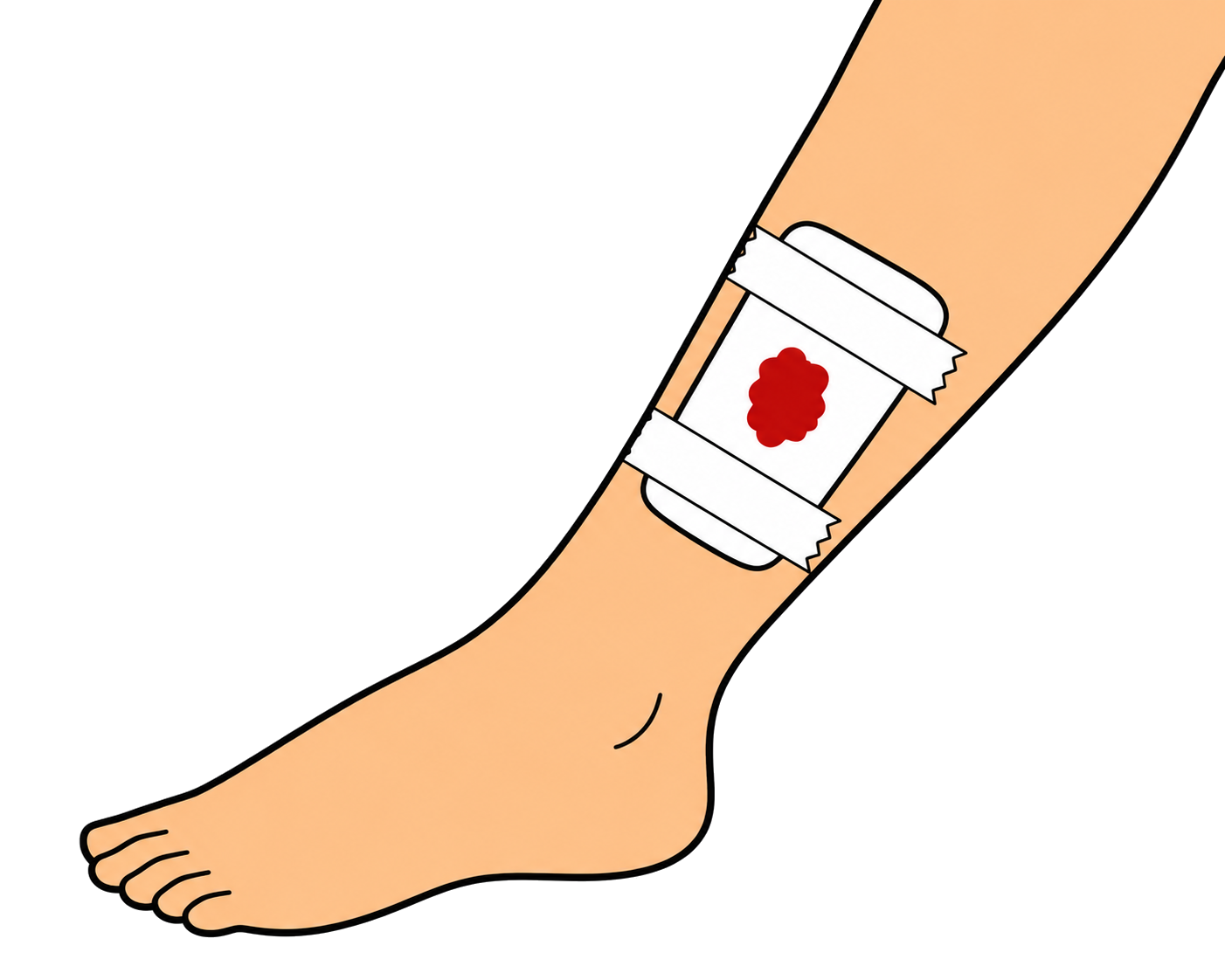
This card ships with the toolkit: a lower leg with a taped gauze dressing and a red patch bleeding through. Place it on the patient to set the injury, or show it on screen in the Tabletop.
Build note. A printed card, or a tablet showing a full-screen image, gives the current vitals: heart rate, blood pressure, oxygen saturation, respiratory rate, temperature, conscious level. The facilitator changes the card as the team acts, so the numbers respond to treatment. This is how you drive the case without a real monitor. Print a few states (baseline, deteriorating, responding).
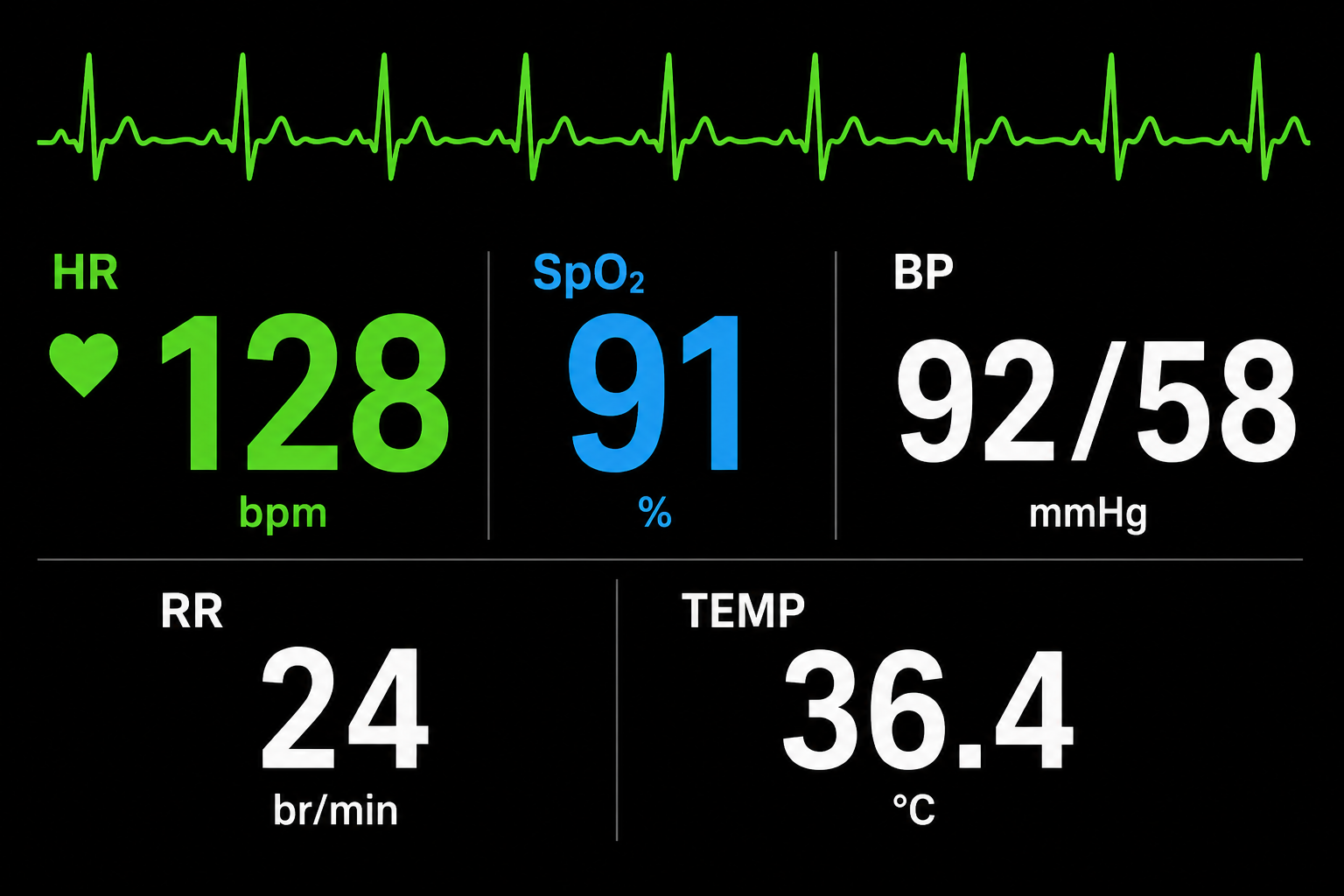
This monitor ships with the toolkit. Its numbers (HR 128, SpO₂ 91, BP 92/58, RR 24) are the deteriorating state for the chest-discomfort case in the polar-cruise sample entry. Show it full-screen on a tablet, then swap to a baseline or a responding version as the team acts.
Build note. A blank casualty card and an ATMIST handover prompt (Age, Time, Mechanism, Injuries, Signs, Treatment) test whether the team records and hands over cleanly. Leave them blank; a filled card is a training output, not a prop.
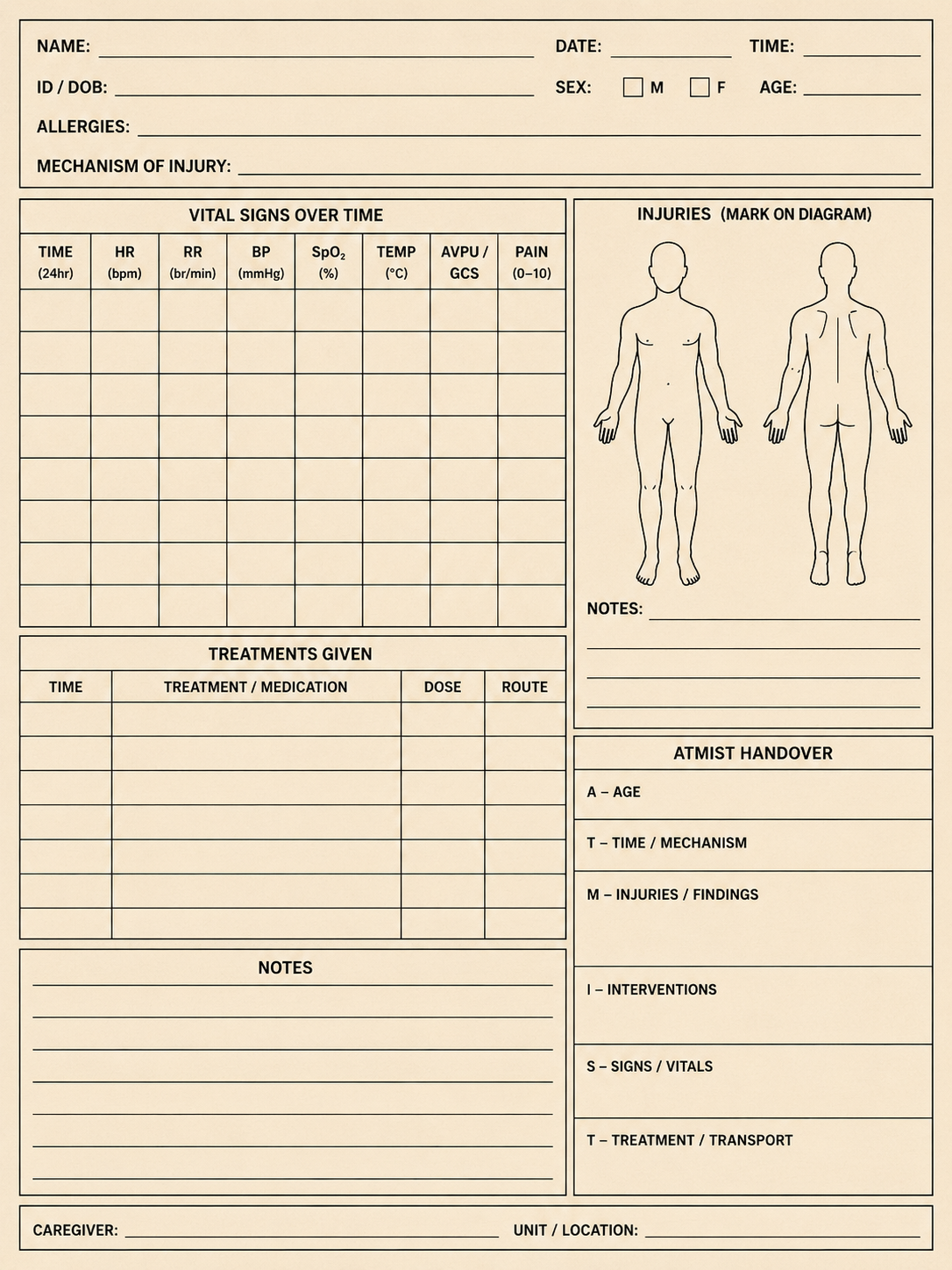
This card ships with the toolkit: patient details, a vitals-over-time grid, a body diagram to mark injuries on, a treatments log, notes, and a built-in ATMIST handover box. Print one per casualty and leave it blank for the team to fill.
Build note. A handheld radio or a phone, with a second person off to the side playing the reach-back clinician or the coordination centre. Make the team actually make the call and give a structured handover. A poor or missing comms plan shows up instantly here.
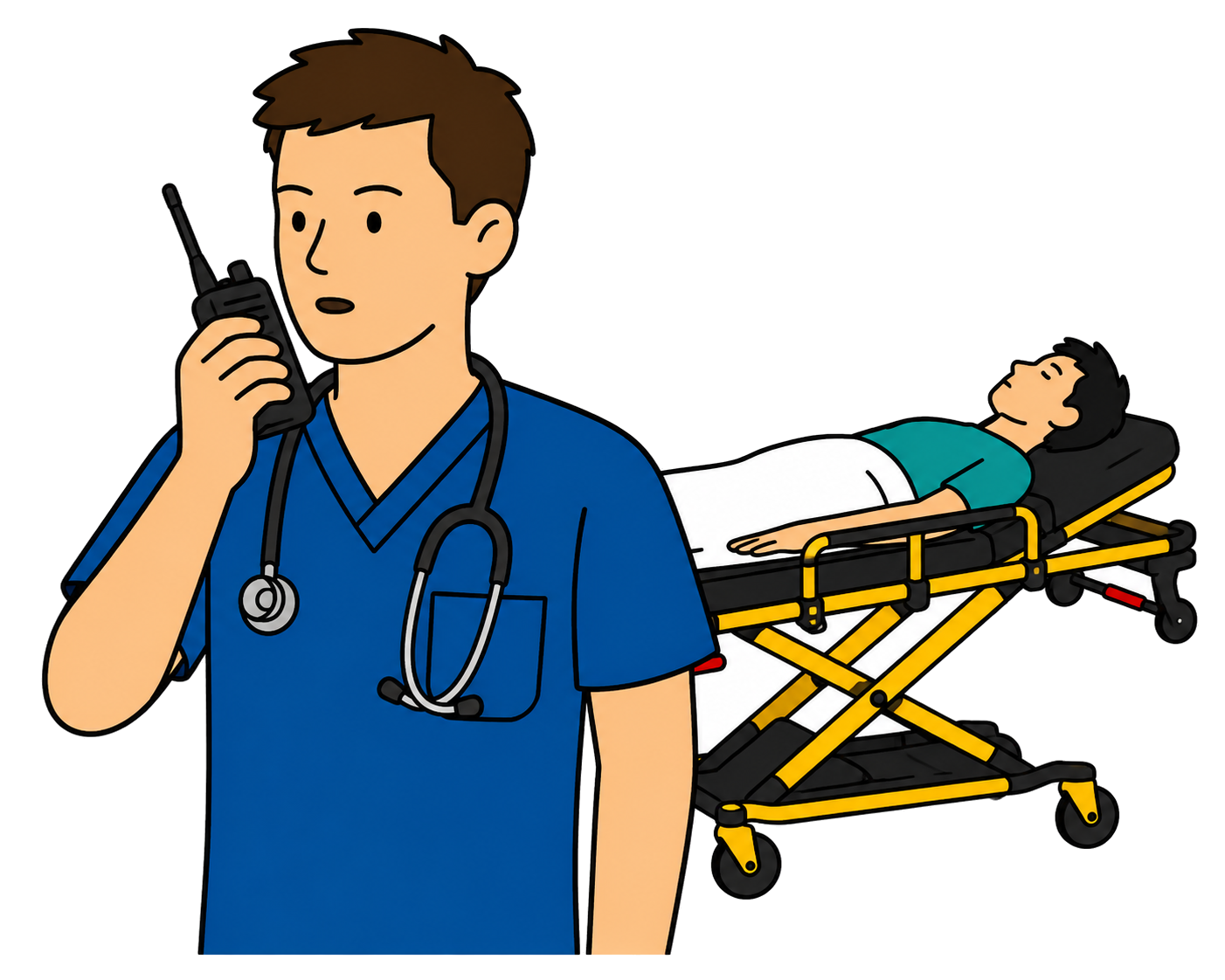
This card ships with the toolkit: a clinician giving a radio handover with the patient on a cot behind. Show it as the cue for the reach-back consult, then have the team make the real call.
Build note. Tape signs or laminated A4 sheets, Triage, Resus, Treatment/Hold, Dirty, Supply, Evacuation, plus floor tape or cones to mark zones and the litter path. This turns any room into a mapped aid station and makes flow problems visible. Sketch the plan first on the Layout Sketcher, then lay it on the floor.
Six zone signs ship with the toolkit. Print and laminate them, or display one on a tablet to mark a zone.


The standard operational medical kit
Your props should include a realistic kit, because much of what a smoke-test exposes is whether the right item is present and quick to find. A standard operational kit is packed by how fast you need things. The time-critical bundles sit in their own quick-access rolls, laid out the same way every time, and the bulk and primary-care stock is held outside the immediate kit. The structure below follows a proven austere layout of one self-contained pouch per task. Use it as the kit that is present for the sim, and as the checklist for the Kit section of the gap analysis.
| Quick-access roll / pouch | Core contents (representative, scale to mission) |
|---|---|
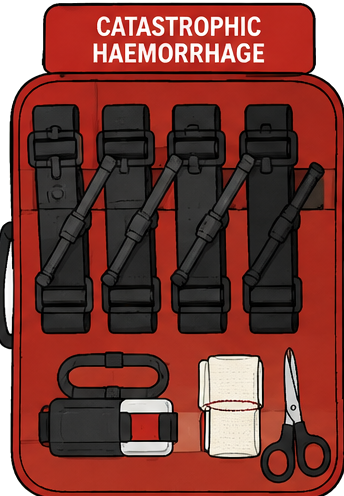
| Catastrophic haemorrhage | Tourniquets ×2+; haemostatic gauze; trauma dressings; pressure bandages; wound-packing gauze; chest seals (vented); nitrile gloves. |
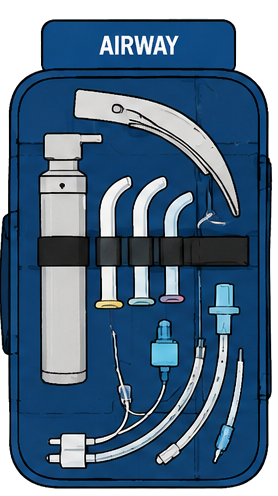
| Airway roll | Laryngoscope handle + two adult blade sizes; two bougies; endotracheal tubes in three sizes; supraglottic airways in two sizes; oral and nasal airways; colorimetric CO₂ detector; ties, lube, syringe, scalpel, suction catheters; laminated rapid-sequence drug card. Video laryngoscope and surgical-airway set as separate tear-away pouches. |
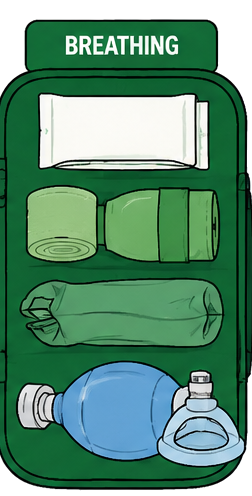
| Breathing | Needle-decompression cannulae (14 G); vented chest seals; bag-valve-mask; oxygen with regulator and tubing; portable suction; finger-thoracostomy/chest-drain set with valve. |
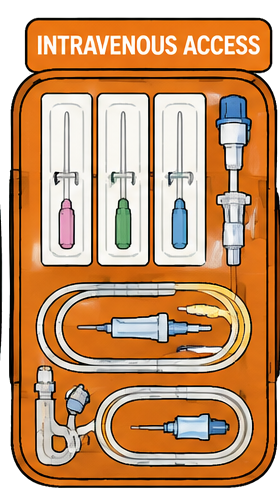
| Circulation / access | Intravenous cannulae (range) + intraosseous device; fluid-giving sets; crystalloid; blood-warming/insulation if blood travels; syringes and needles (own pouches); tape. |
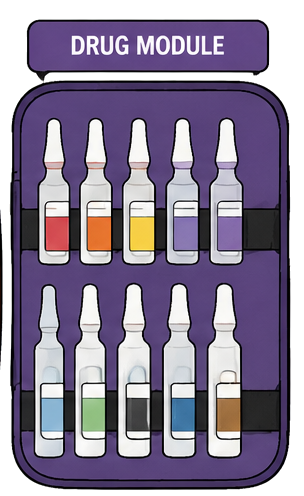
| Resuscitation drug core | Adrenaline (1:1,000 and 1:10,000); amiodarone; atropine; a sedative and a paralytic for rapid sequence; ketamine; an opioid + antiemetic; aspirin and a nitrate; glucose 50%; naloxone; tranexamic acid; hydrocortisone/dexamethasone; salbutamol. |
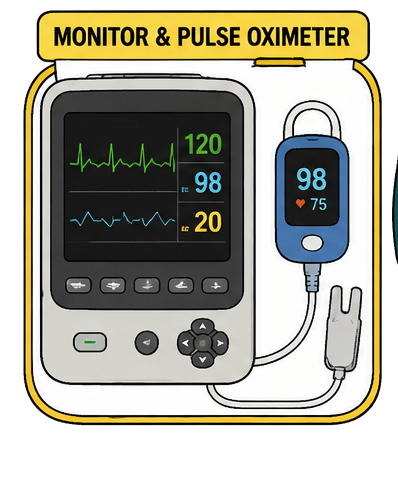
| Monitoring & measurement | Pulse oximeter; blood-pressure means; thermometer; glucometer; 12-lead ECG where feasible; point-of-care labs (haemoglobin, lactate, electrolytes, ionised calcium, cardiac markers) if you carry blood or a clot-dissolving drug. |
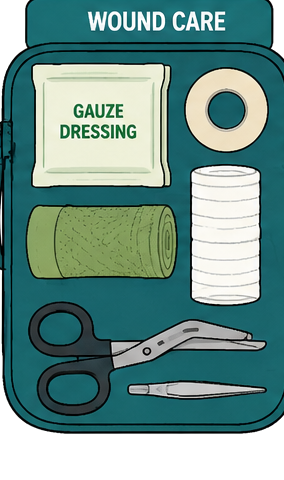
| Wound / procedures | Irrigation and antiseptic; laceration/suture set with local anaesthetic; steri-strips / tissue adhesive; incision-and-drainage set; dressings and gauze in quantity; a stapler. |
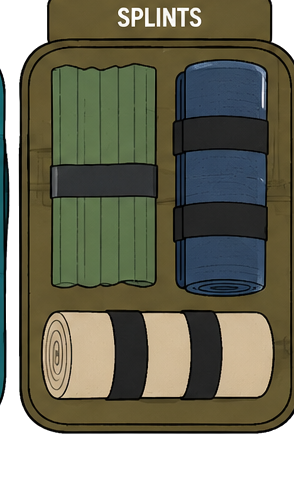
| Splinting & extrication | Malleable and long-bone splints; pelvic binder; cervical collar; triangular bandages; slings; an aircast/brace set; a litter or improvised carry. |
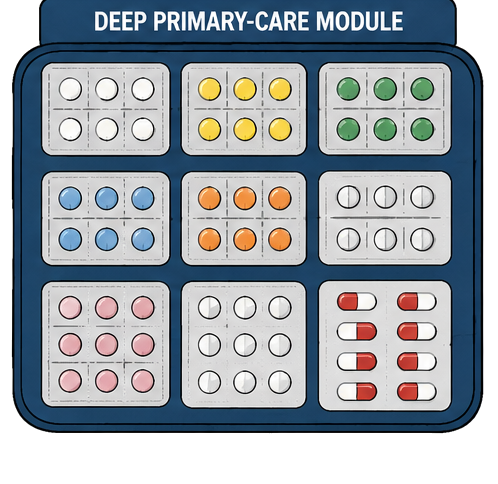
| Primary-care module stock deep | Analgesia ladder (paracetamol, ibuprofen, an injectable NSAID, an opioid for breakthrough); antiemetics and motion-sickness agents (including a non-sedating patch); respiratory symptom relief (lozenges, decongestant, cough, antihistamine, inhaler); gastrointestinal set (antacid, acid suppression, antidiarrhoeal, rehydration); a short oral-antibiotic set; topical antibiotic and steroid; an eye module (fluorescein + blue light, tetracaine, antibiotic drops); ear and nose items; a small dental module. |
| Documentation & comms | Casualty cards; observation charts; a reach-back contact card; the comms plan (primary, alternate, contingency, emergency); pen and permanent marker. |
Component pouch cards
The standard kit above, cut into its nine pouches as individual cards. Display the relevant one on a screen or tablet during the sim so the team can see what the pouch holds and reach for it, or print and laminate them for the layout. Each is a separate image you can drop onto the scene.